Blog ·
How Much Water Does Your Lawn Actually Need?
Your lawn is one of your property's most visible features, and proper watering is essential for keeping it healthy and vibrant. At BackerPyra, we work with countless property owners who struggle with one fundamental question: how much water does my lawn actually need?
The answer depends on several factors, but here's the practical guidance our lawn maintenance professionals recommend.
Measure Your Water Output
Most established lawns need about one to one-and-a-half inches of water per week. This includes rainfall and irrigation combined. Rather than guessing, measure your watering output. Place a few shallow containers—like tuna cans or straight-sided cups—across your lawn while your sprinkler runs. After 30 minutes, measure the water depth in each container. This tells you your actual application rate and helps you adjust watering time accordingly.
Timing Matters
Timing matters just as much as volume. Water early in the morning, ideally between 6 and 8 AM. Morning watering reduces evaporation and gives your grass time to absorb moisture before the day's heat. It also minimizes fungal disease risk that comes with evening watering.
Soil Type and Climate Factors
Consider your soil type and climate. Clay soils retain moisture longer than sandy soils, so sandy lawns may need more frequent watering. In cooler months, reduce watering significantly—your grass enters dormancy and needs far less. During hot summer months, your lawn's water demand increases.
Your lawn's grass type also affects watering needs. Cool-season grasses thrive with different schedules than warm-season varieties. If you're unsure which type covers your property, our landscape design and lawn maintenance team can assess your specific situation.
Recognize Watering Problems
Signs of under-watering include wilting, a dull gray-green color, and grass that doesn't spring back when you step on it. Over-watered lawns develop mushy patches, appear unnaturally dark, and become prone to fungal issues.
Watering New Landscaping
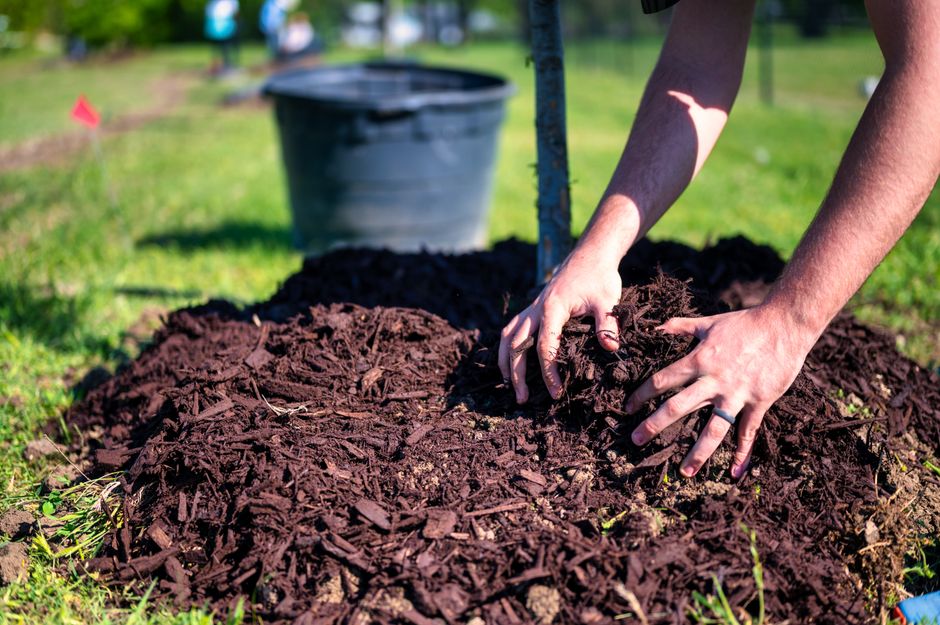
When you have landscaping additions—new garden beds, tree plantings, or mulch installations—watering requirements shift. Newly planted trees and shrubs need consistent moisture during their establishment period. Our property maintenance services include guidance on adjusting irrigation for landscape changes.
Let Weather Guide Your Schedule
Rather than watering on a fixed schedule, water based on weather conditions. After heavy rainfall, skip your watering cycle. During dry spells, increase frequency. This thoughtful approach saves water and promotes deeper root growth.
If managing irrigation feels overwhelming, consider letting the professionals handle it. Our lawn mowing and maintenance service includes assessing your lawn's specific needs and recommending the right watering strategy for your property. We help transform your outdoor spaces by ensuring every element—from grass to new plantings—receives exactly what it needs to thrive.
Precision in every aspect of lawn care, including irrigation, makes the difference between a struggling lawn and one that becomes the neighborhood's envy.